





Sauna Buyers Guide
Saunas fall into two broad families — traditional stoves that heat the air, and infrared panels that warm the body directly. This guide covers the key choices: heat type, indoor vs outdoor, heater power, timber and safe session habits.
1. Infrared vs Traditional (Stove)
undefined
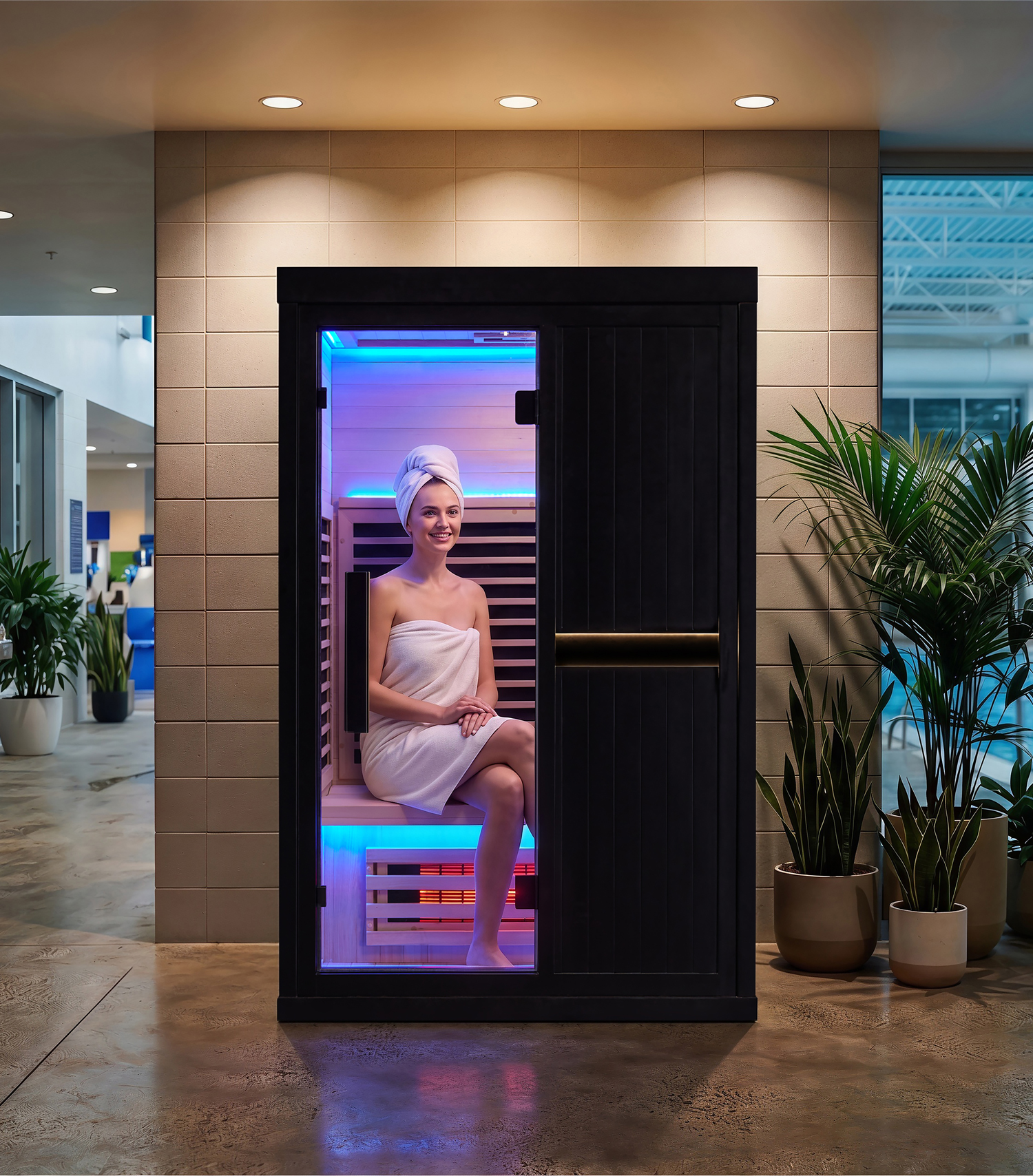
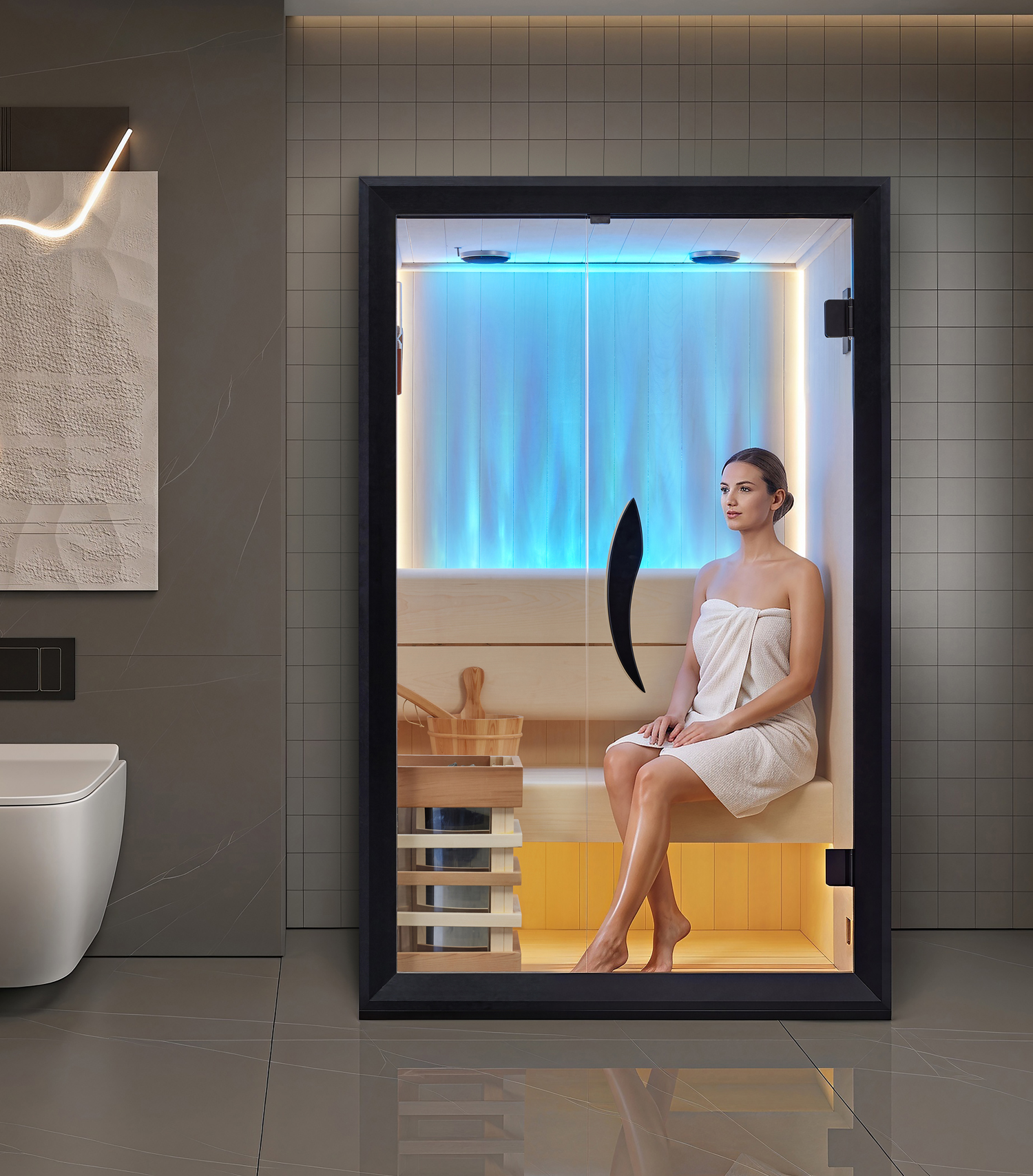
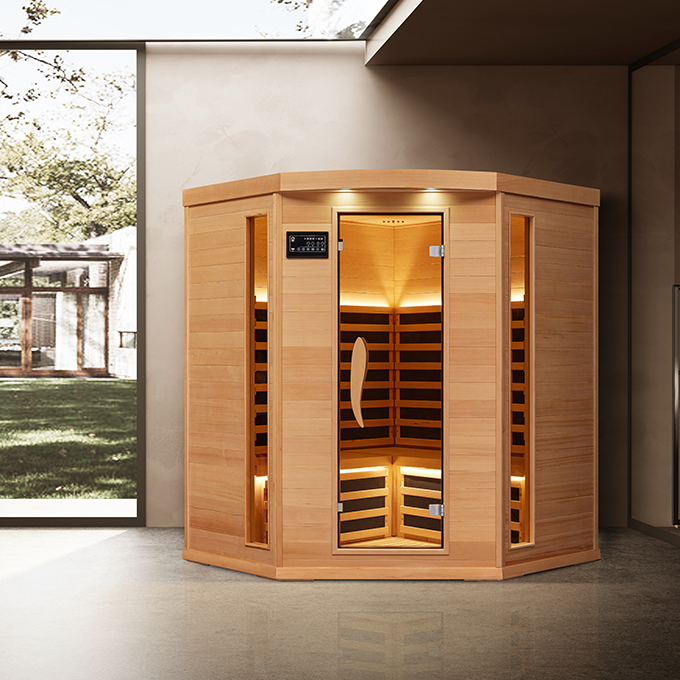
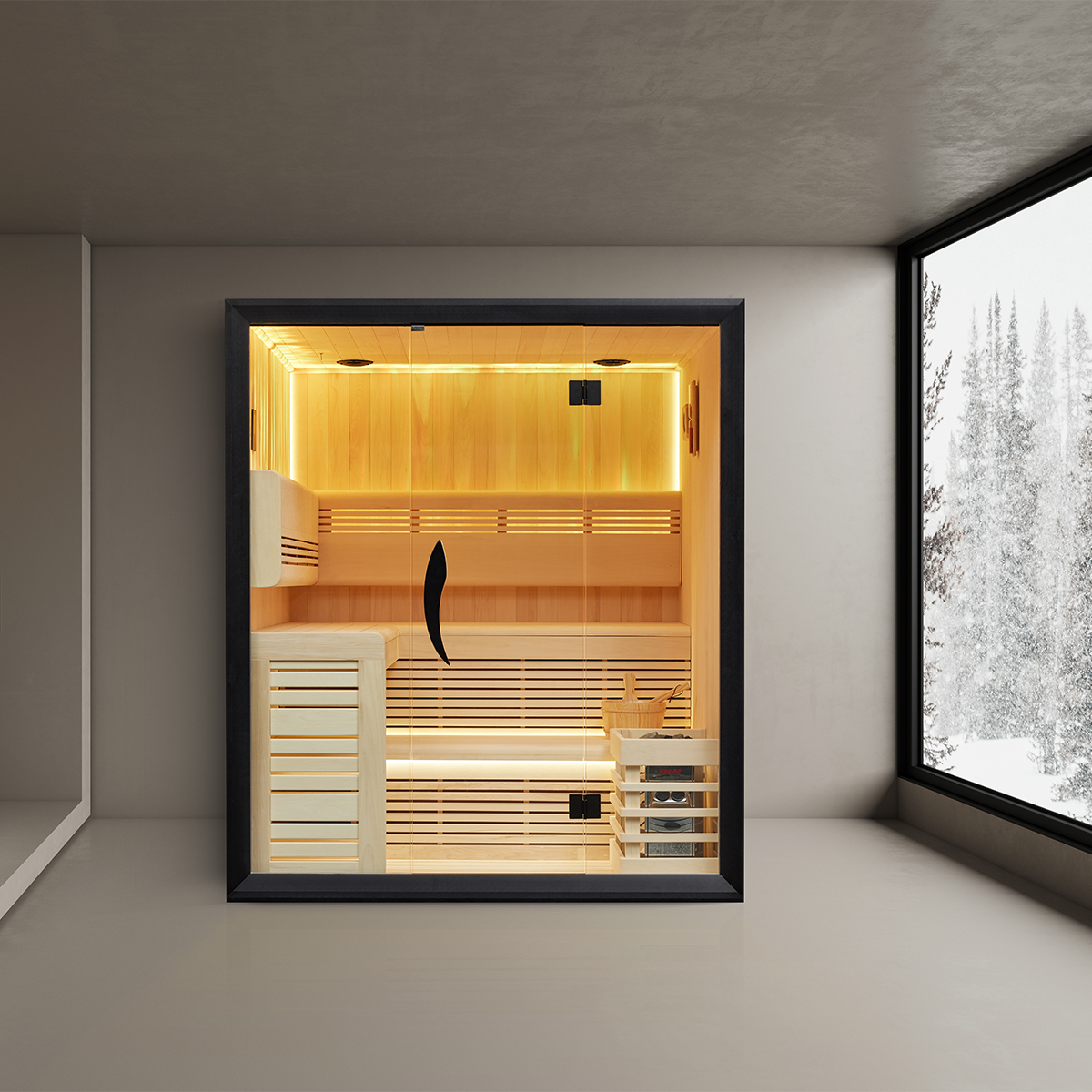
Traditional saunas use a stove to heat the air to 70–100 °C, creating high-heat, lower-humidity sessions. Infrared saunas use panels to warm the body directly at a gentler 45–65 °C, so they feel milder while still promoting sweat and recovery. Many buyers choose infrared for comfort and speed, and traditional for a classic Finnish experience.
- Traditional stove: 70–100 °C air heat, classic sauna experience
- Infrared: 45–65 °C direct body heat, gentler and faster warm-up
- Infrared warms up in 10–15 minutes; stoves take longer
- Choose by feel: intense air heat vs deep, mild radiant heat
2. Indoor vs Outdoor
undefined
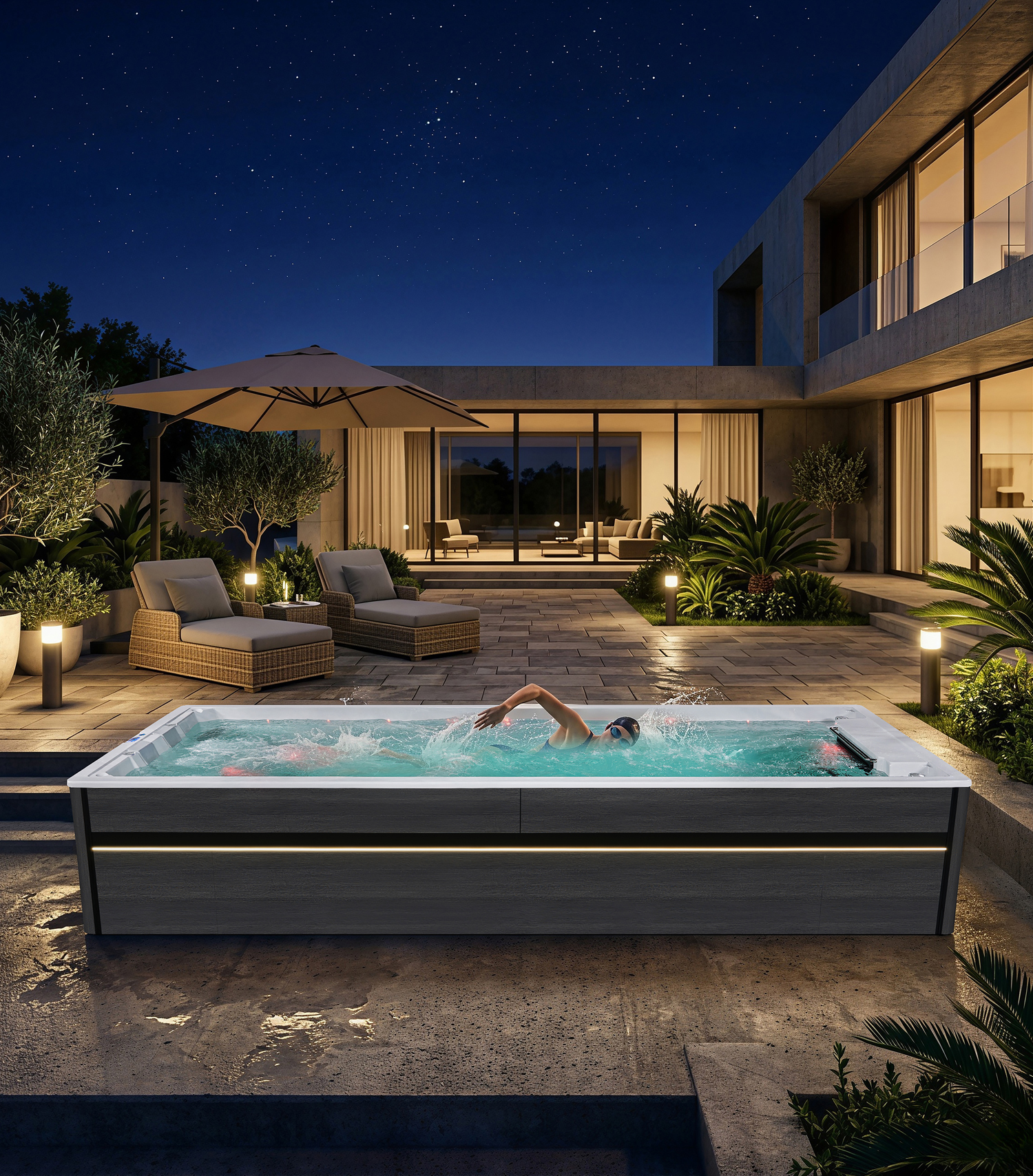
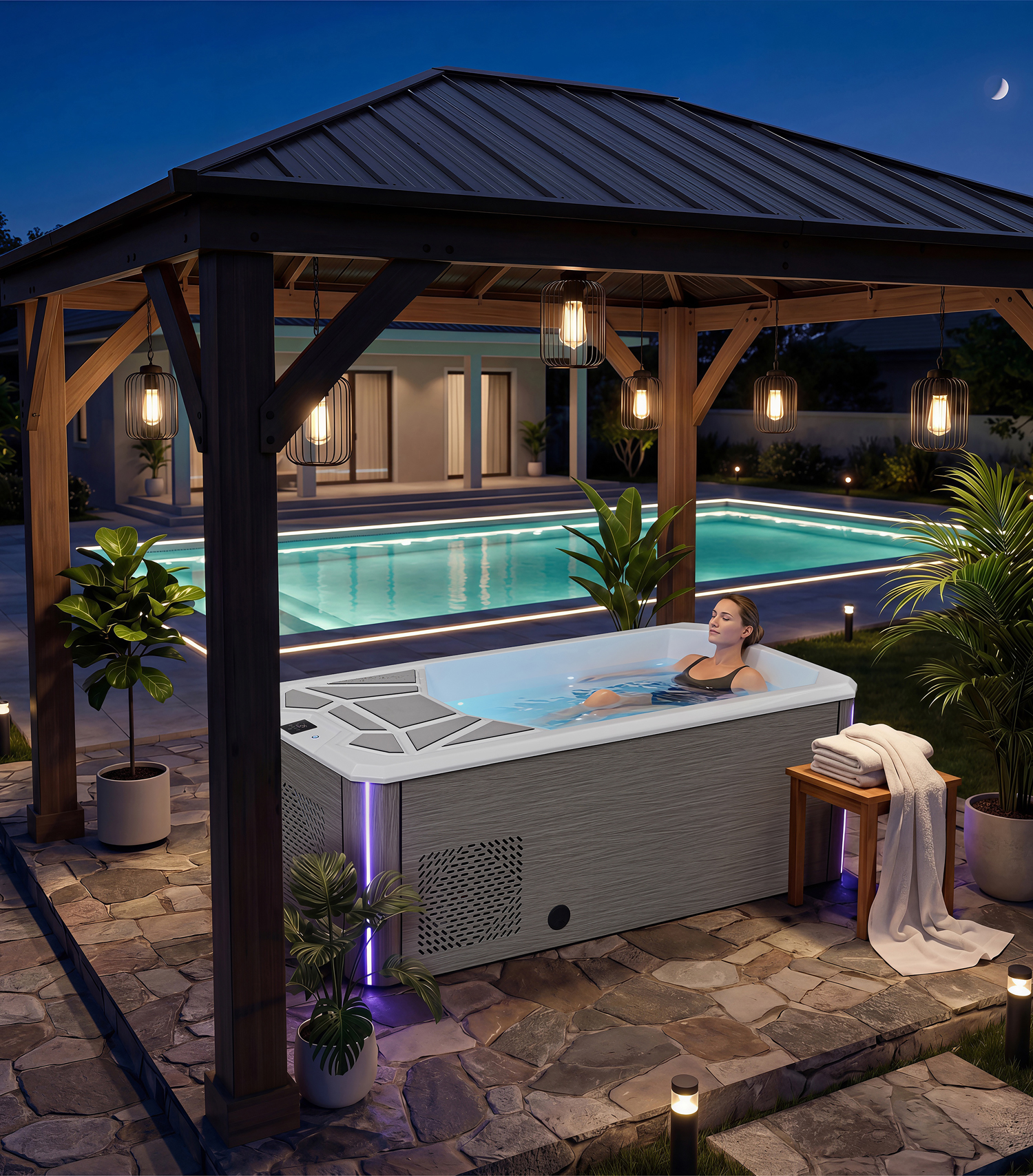
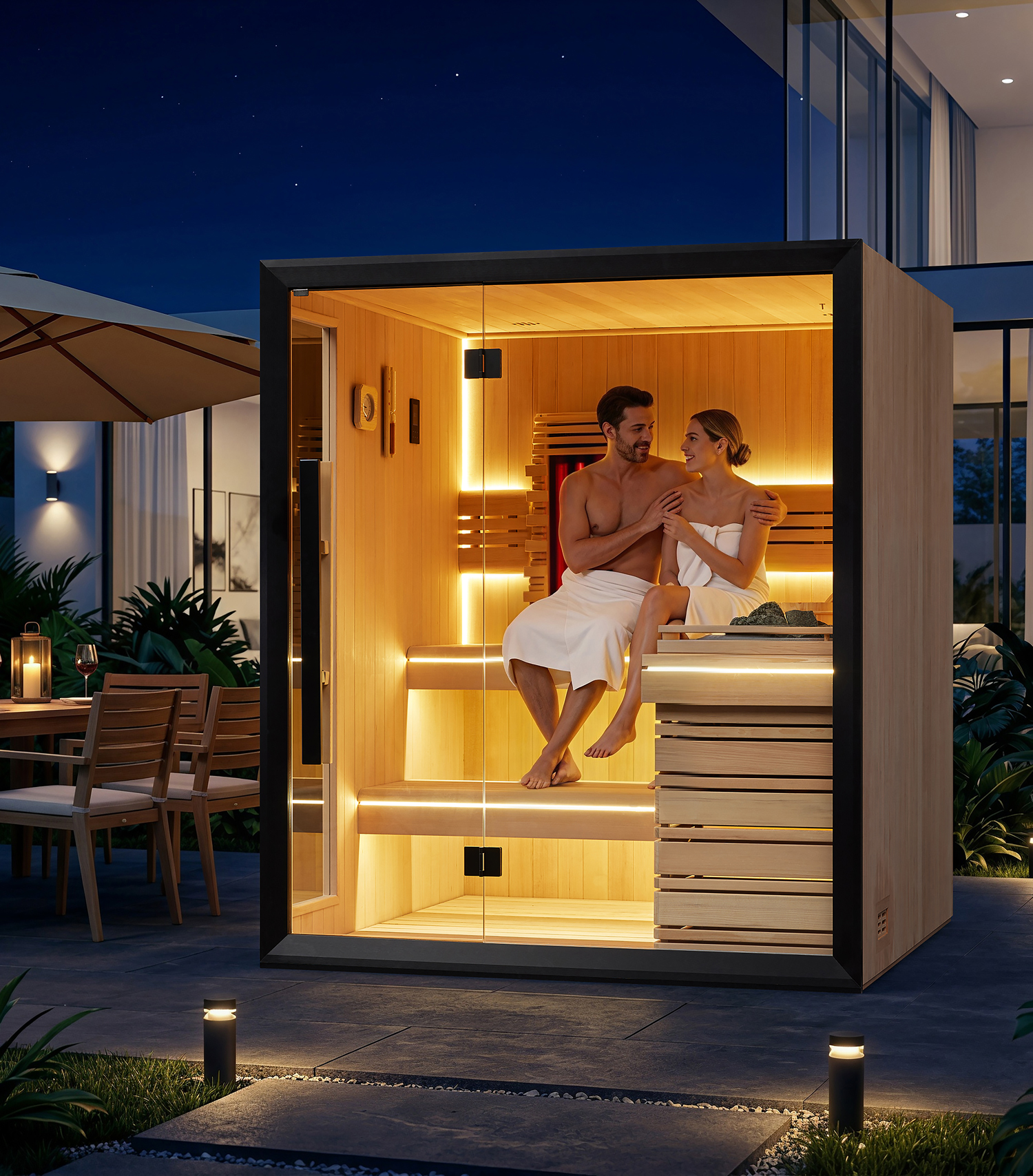
Indoor saunas fit bathrooms, basements, garages and wellness rooms and are often simpler to install. Outdoor saunas need weather-resistant timber, a covered or sheltered position and, for stoves, proper ventilation and wiring. Both are supplied as modular rooms for straightforward assembly.
- Indoor: bathrooms, basements, gyms and dedicated rooms
- Outdoor: weather-resistant build and sheltered placement
- Ventilation matters in both — plan fresh-air intake
- Traditional stoves require an electrician and correct clearance
3. Heater Power (kW)
undefined
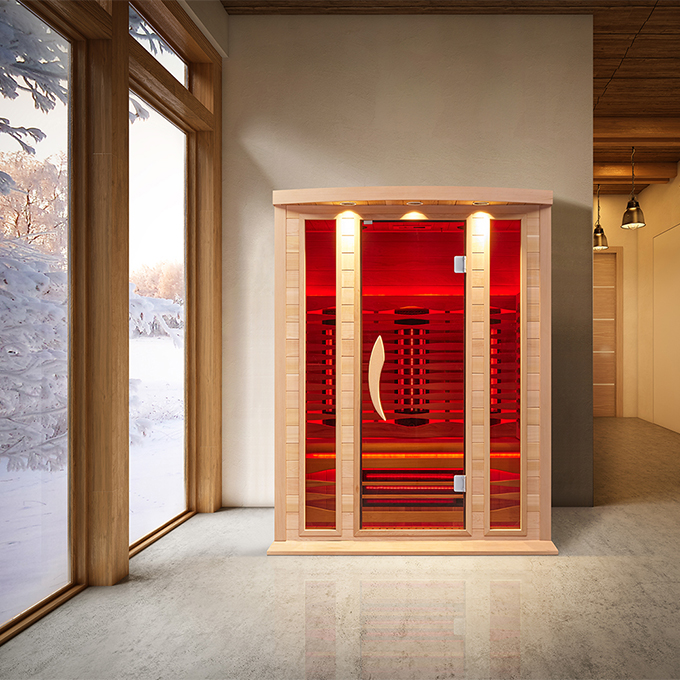
Heater power is matched to room volume. Infrared saunas typically draw 1.5–3 kW and plug into a standard outlet. Traditional stoves usually range from 6–9 kW and need a dedicated circuit installed by a qualified electrician.
- Infrared: 1.5–3 kW, often plug-and-play
- Traditional stove: 6–9 kW, dedicated circuit
- Larger rooms need proportionally more power
- Always confirm electrical requirements before ordering
4. Timber & Build Quality
undefined
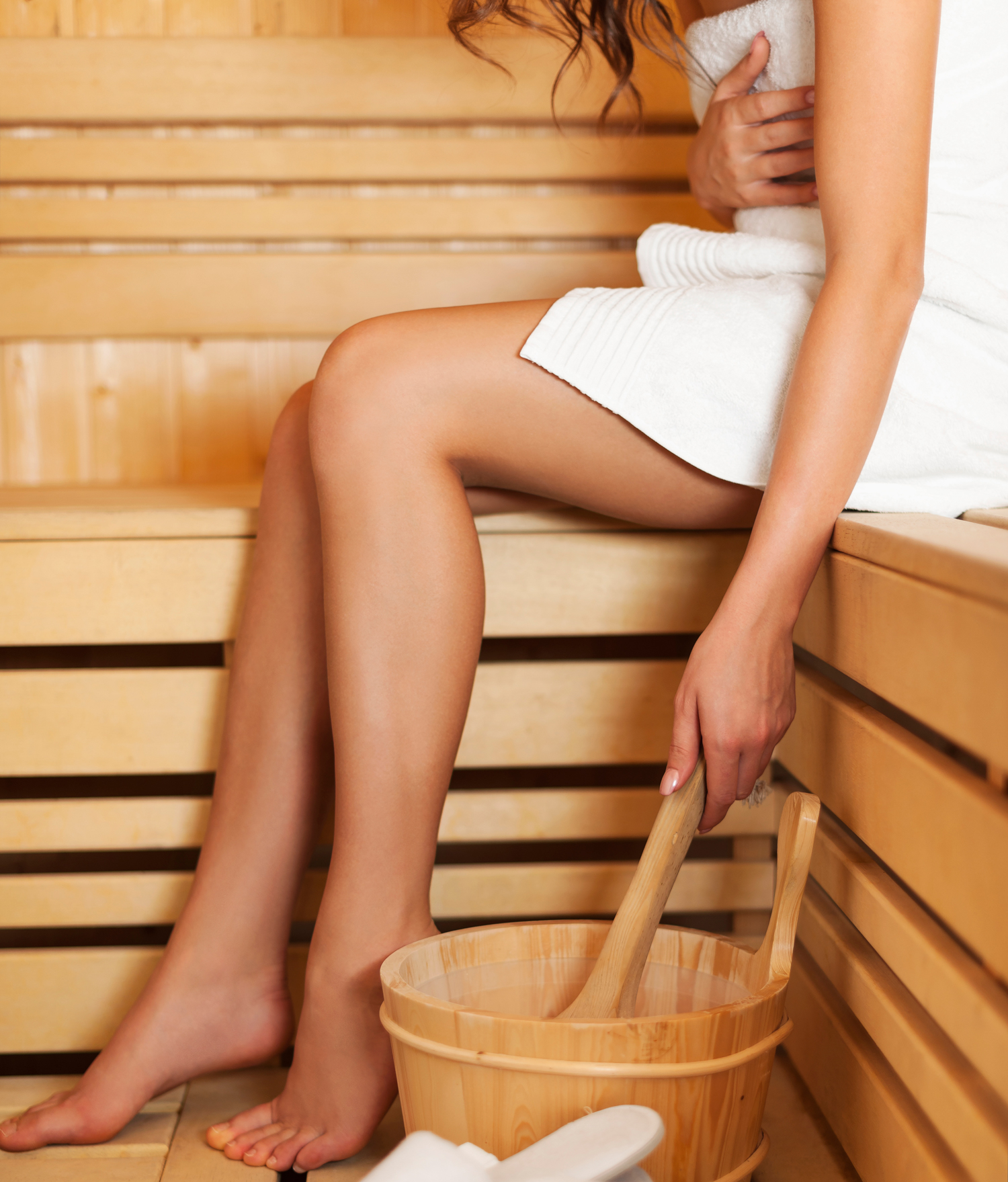
Hemlock, poplar and red cedar are the most common sauna timbers — each resists moisture, heats evenly and releases a natural aroma. Look for solid, smooth-finished timber, tempered safety glass and tight joinery that keeps heat in and draughts out.
- Hemlock: smooth, light and widely used
- Red cedar: rich aroma and natural moisture resistance
- Tempered glass doors for safety and visibility
- Tight joinery improves heat retention
5. Session, Safety & EMF
undefined
Start with 10–15 minute sessions, stay hydrated and cool down gradually. For infrared models, choose low-EMF panels if electromagnetic exposure is a concern, and follow the guidance for pre-existing conditions or pregnancy.
Infrared vs Traditional at a Glance
| Factor | Infrared | Traditional |
|---|---|---|
| Temperature | 45–65 °C | 70–100 °C |
| Heat type | Radiant, warms the body directly | Convection, heats the air |
| Warm-up | 10–15 minutes | Longer, depending on stove |
| Power | 1.5–3 kW | 6–9 kW |
| Feel | Milder, deep sweat | Intense, classic sauna |
FAQ
Infrared or traditional sauna?
Is infrared safe?
How many people fit?
Do I need an electrician?
Can I put a sauna outdoors?
Choose your heat
Tell us your space and preferred heat style for a tailored sauna recommendation.