





Hot Tub Buyers Guide
A hot tub is a long-term investment in comfort, recovery and entertaining. This guide walks through the five decisions that matter most — so you buy the right model, not just the biggest one.
To choose a hot tub, decide seats first (5–6 suits most families), then check jet placement and pump power rather than jet count, then insulation and cover quality — they decide running cost. Check shell and frame build, measure the footprint and delivery access, confirm the power supply, and read the warranty by part before ordering.
1. Seating & Capacity

Seats First, Then Layout
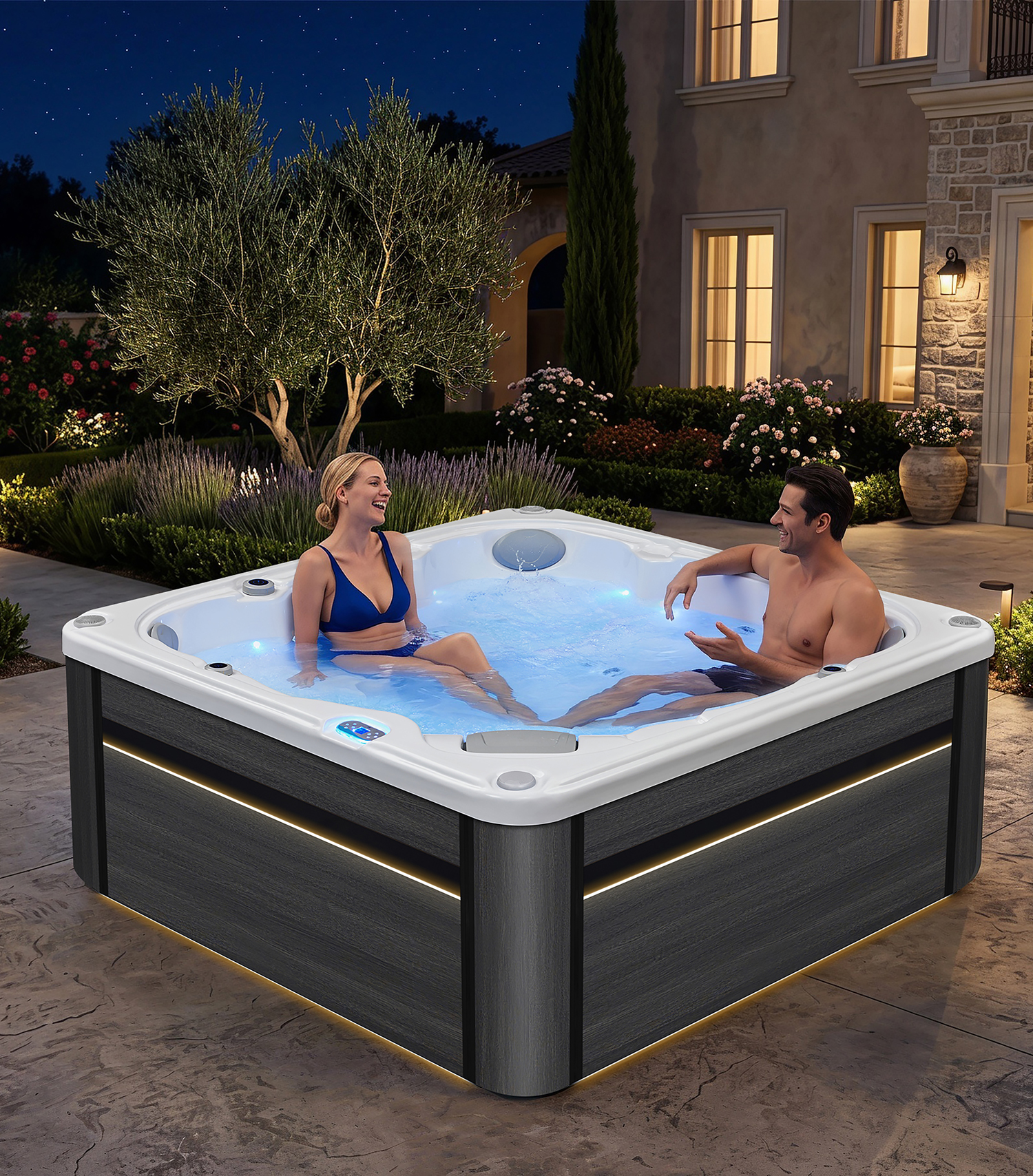
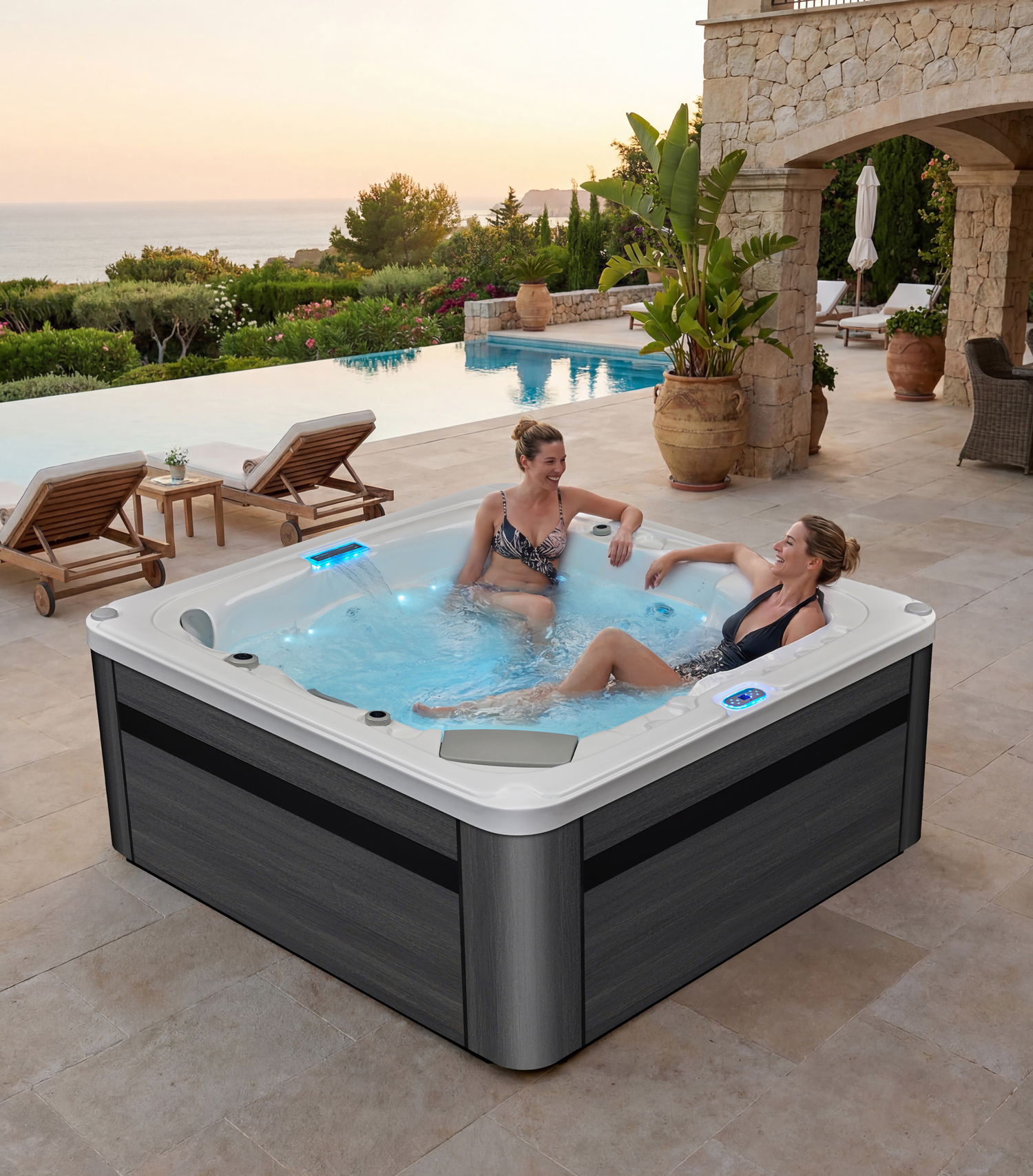
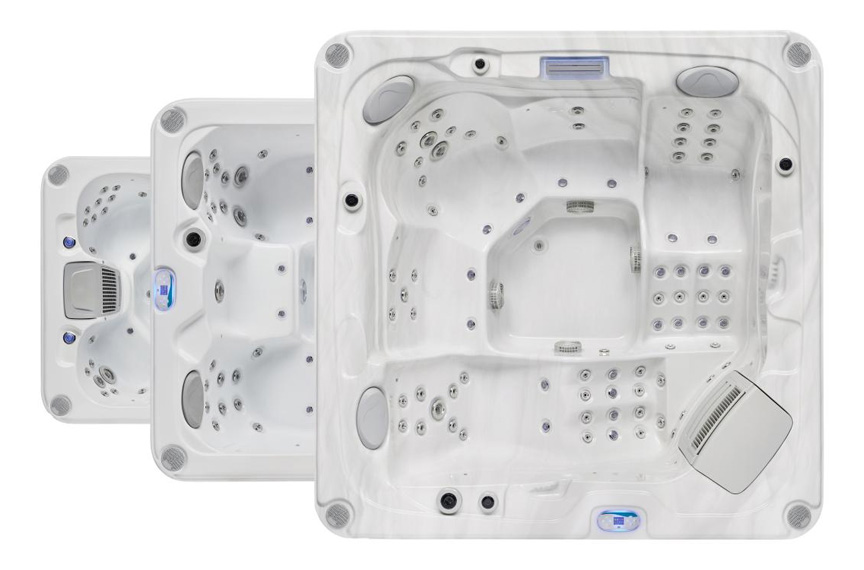
Think about how the tub will actually be used. A 2–3 seat model suits couples and smaller decks, a 4–6 seat tub covers family use, and a 7+ seat party tub is built for entertaining. The seat layout matters more than the number of seats — a lounge or recliner adds full-body immersion, while upright seats fit more people comfortably.
- 2–3 seats: couples and compact spaces
- 4–6 seats: the most popular family size
- 7+ seats: entertaining and larger households
- Lounger vs upright seats: choose the mix for your routine
2. Jets & Hydrotherapy
Jet Placement Beats Jet Count
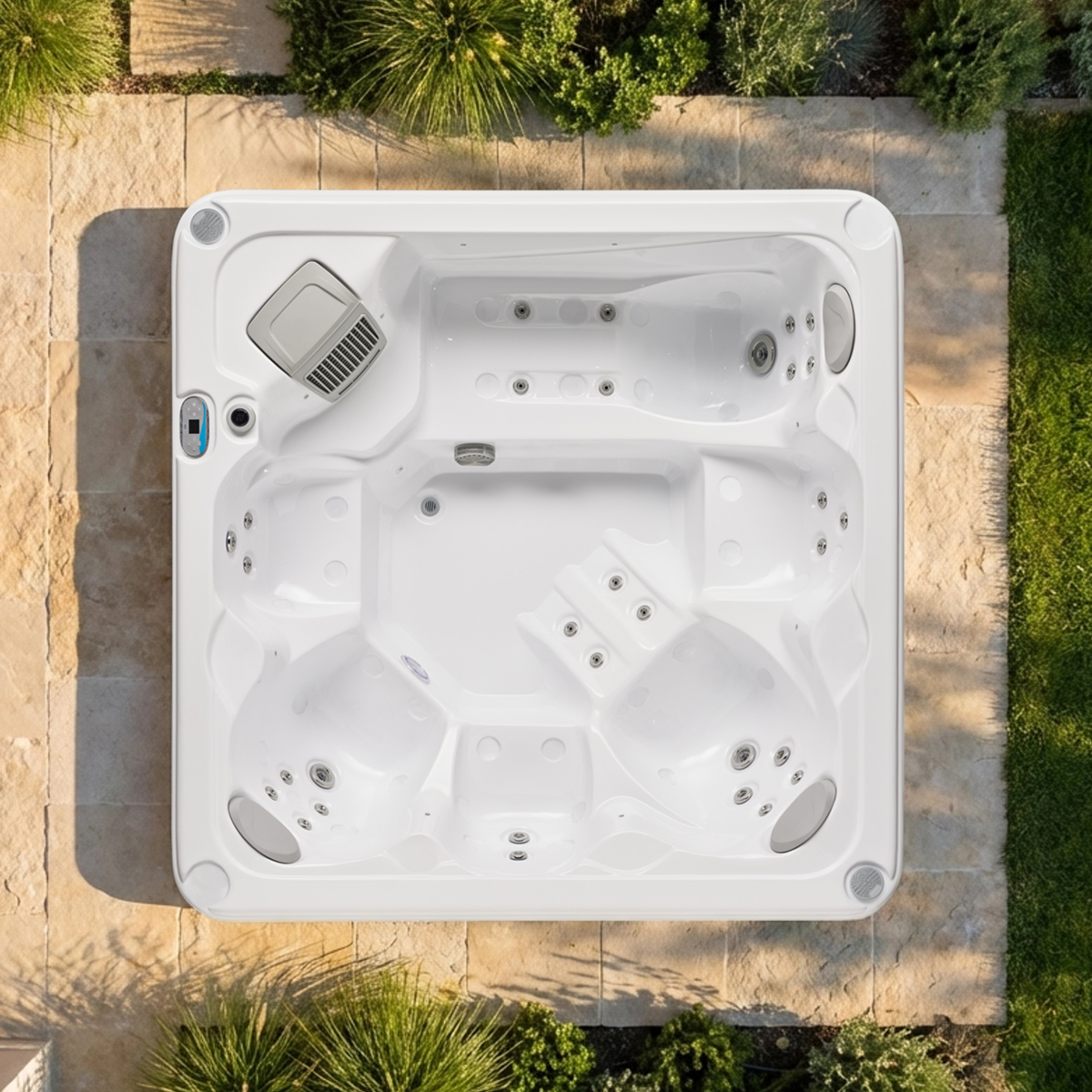
Jet count is a useful guide, but placement and adjustability matter more. Look for multi-directional jets that target shoulders, lower back, calves and feet, with air controls that let you fine-tune pressure. Higher-end OceanFuture models add dedicated therapy seats and directional massage zones.
- Look for adjustable, multi-directional jets rather than raw jet count
- Shoulder, lumbar and calf jets deliver targeted relief
- Air and pressure controls let you tune intensity per seat
- Premium series add lounge and therapy seat options
3. Insulation & Running Costs
Insulation Decides Running Cost
Insulation is the biggest factor in running cost. Full-foam insulation locks heat into the shell and is quieter, while a fitted, high-density cover prevents overnight heat loss. A well-insulated tub holds temperature with far less energy, keeping monthly costs predictable.
- Full-foam insulation retains heat and reduces noise
- A thick, fitted cover is the first line of defence
- Efficient heating shortens warm-up and lowers bills
- Ozone and filtration keep water clear with less chemistry
4. Shell & Cabinetry Construction
Shell and Cabinetry Build Quality
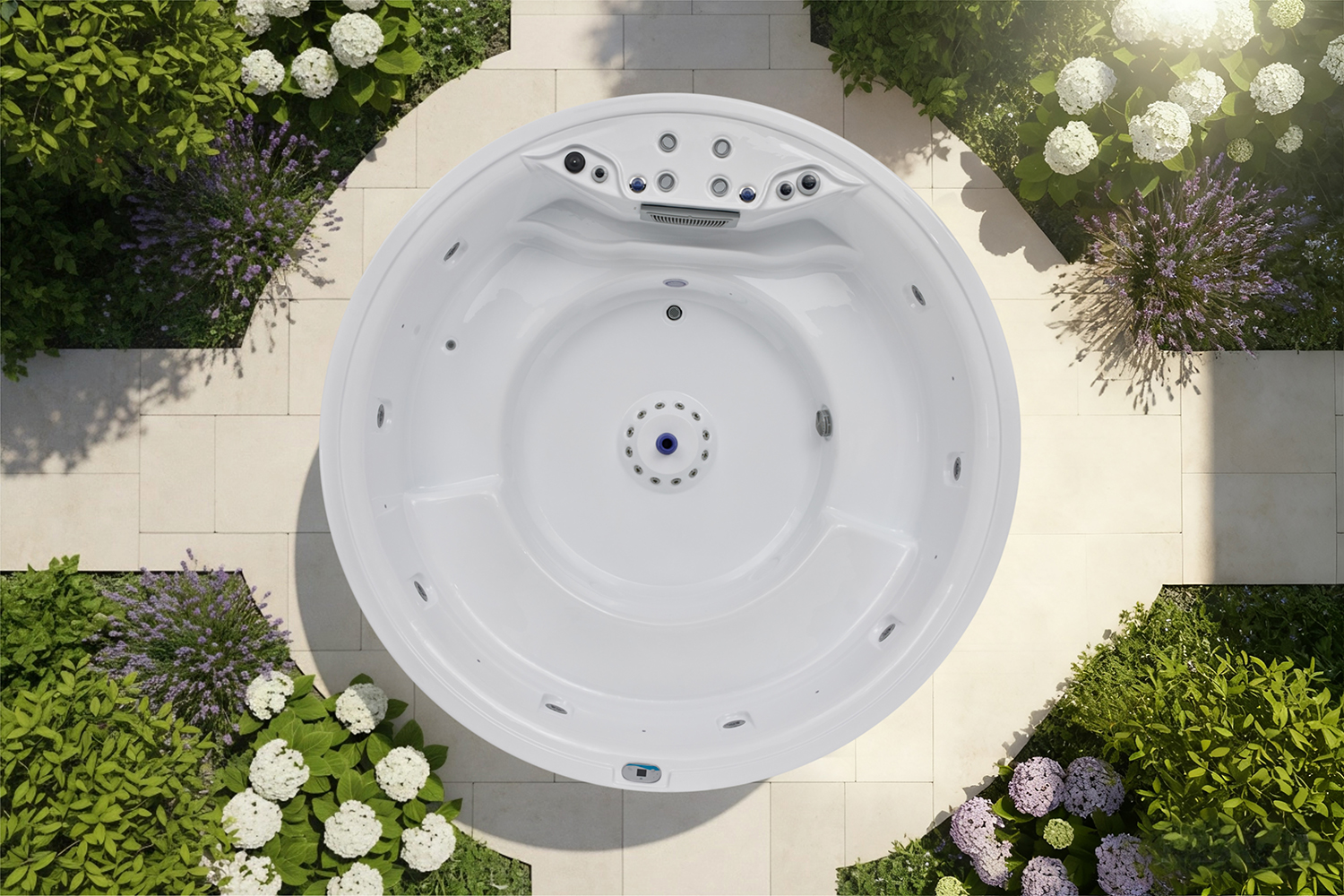
The shell should be a multi-layer acrylic or composite with fibreglass reinforcement, finished in a weather-resistant cabinet. This is where in-house manufacturing shows — a rigid shell resists flexing and cracking, and a UV-stable cabinet keeps its finish season after season.
- Multi-layer acrylic shell with fibreglass reinforcement
- UV-stable, weather-resistant cabinetry
- Reinforced base resists rot and moisture
- Certified components from Balboa, Gecko and Aristech
5. Size, Footprint & Installation
Measure Footprint and Power First
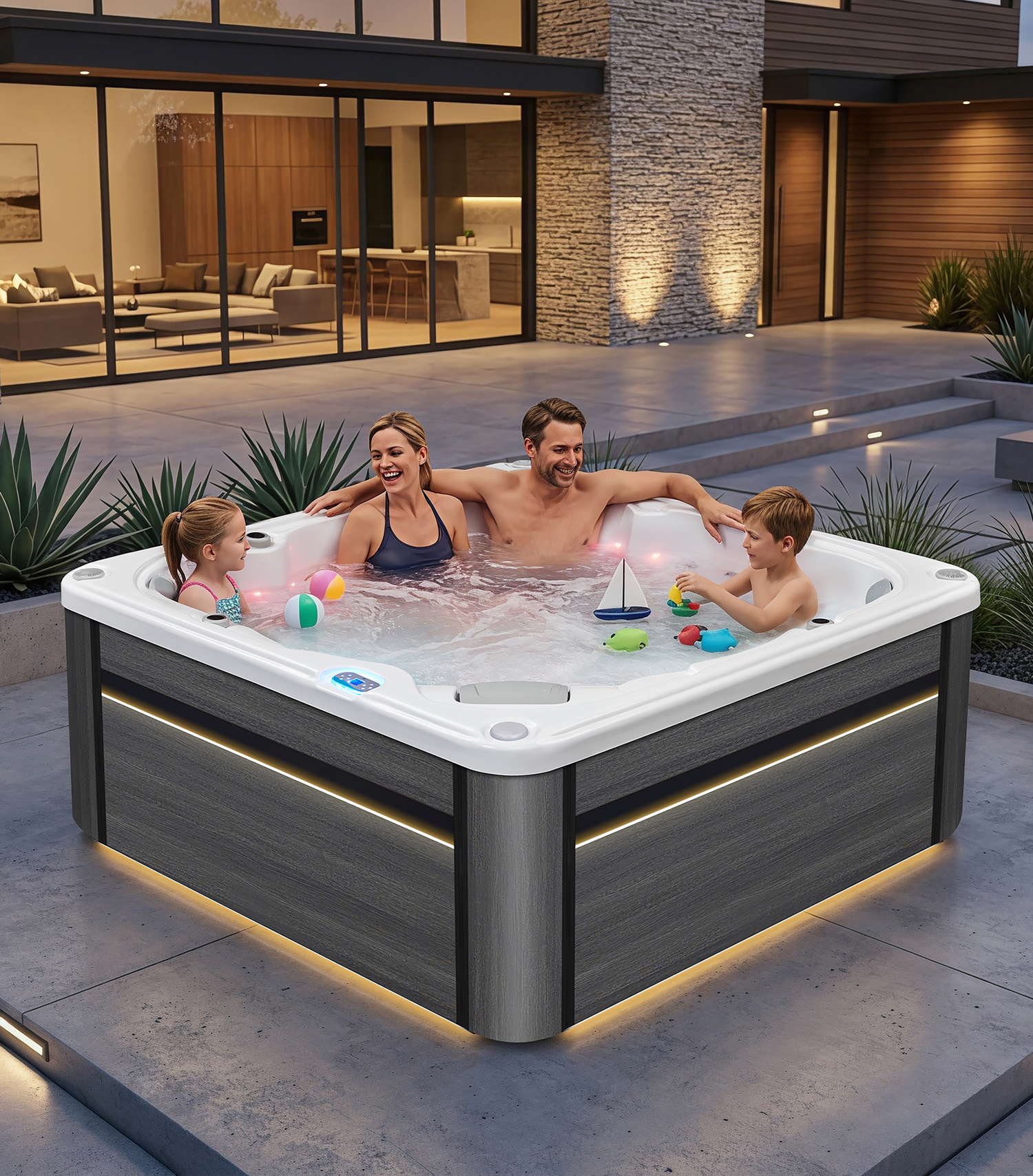
Measure access routes and confirm you have a level, load-bearing base and the right power supply. Most hot tubs need a dedicated circuit; plug-and-play patio models run from a standard outlet. Plan delivery early — door-to-door freight with clear access makes installation day simple.
- Confirm a level, load-bearing base (concrete pad, deck or pavers)
- Check power: dedicated circuit vs plug-and-play
- Measure gates and corners for delivery clearance
- Leave room around the tub for cover lift and servicing
Compare the OceanFuture Hot Tub Series
| Series | Best For | Typical Seating | Power | Installation |
|---|---|---|---|---|
| Luxury Hot Tubs | Premium hydrotherapy & finishes | 4–7 persons | Dedicated circuit | Level base + electrician |
| Patio Hot Tubs | Plug-and-play everyday comfort | 3–6 persons | Standard outlet | Level base, simple setup |
| Round Hot Tubs | Social, space-efficient soaking | 4–6 persons | Dedicated circuit | Level base + electrician |
| Villa Series | Large-scale entertaining | 6–8 persons | Dedicated circuit | Level base + electrician |
FAQ
FAQ
What size hot tub should I buy?
How many jets should a hot tub have?
What insulation should I look for?
How much does it cost to run a hot tub?
What warranty should a hot tub have?
What power supply does a hot tub need?
Find the right hot tub
Send us your space and seating requirements for a tailored shortlist and quote.