






Infrared Sauna Buyers Guide
Infrared saunas deliver deep, comfortable heat at lower temperatures, warming the body directly with low-EMF panels. This guide explains the technology, running costs, sizing and what to look for in a quality room.
An infrared sauna heats your body directly with radiant panels, at lower air temperatures (about 110–150°F / 45–65°C) than a traditional sauna. It warms up in minutes, usually runs on a standard outlet at 1.5–2.5 kW for a 2–3 person cabin, and costs less per session to run. When buying, check the panel type, the measured low-EMF figure, warm-up time, cabin size and placement.
Why Choose an Infrared Sauna
Gentler Heat, Faster Warm-Up
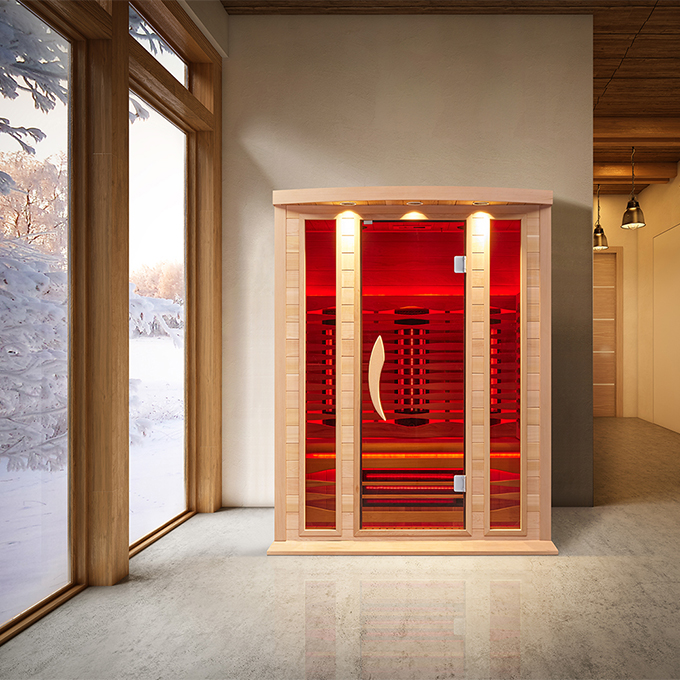
Infrared heat is gentle enough for longer, more frequent sessions. Because the panels warm you directly rather than heating all the air, the room reaches temperature in 10–15 minutes and uses less energy than a traditional stove.
- Warms up in 10–15 minutes
- Lower operating temperature feels more comfortable
- Energy-efficient heating
- Low-EMF carbon and ceramic panels
How Infrared Heat Works
Radiant Heat, Direct to the Body
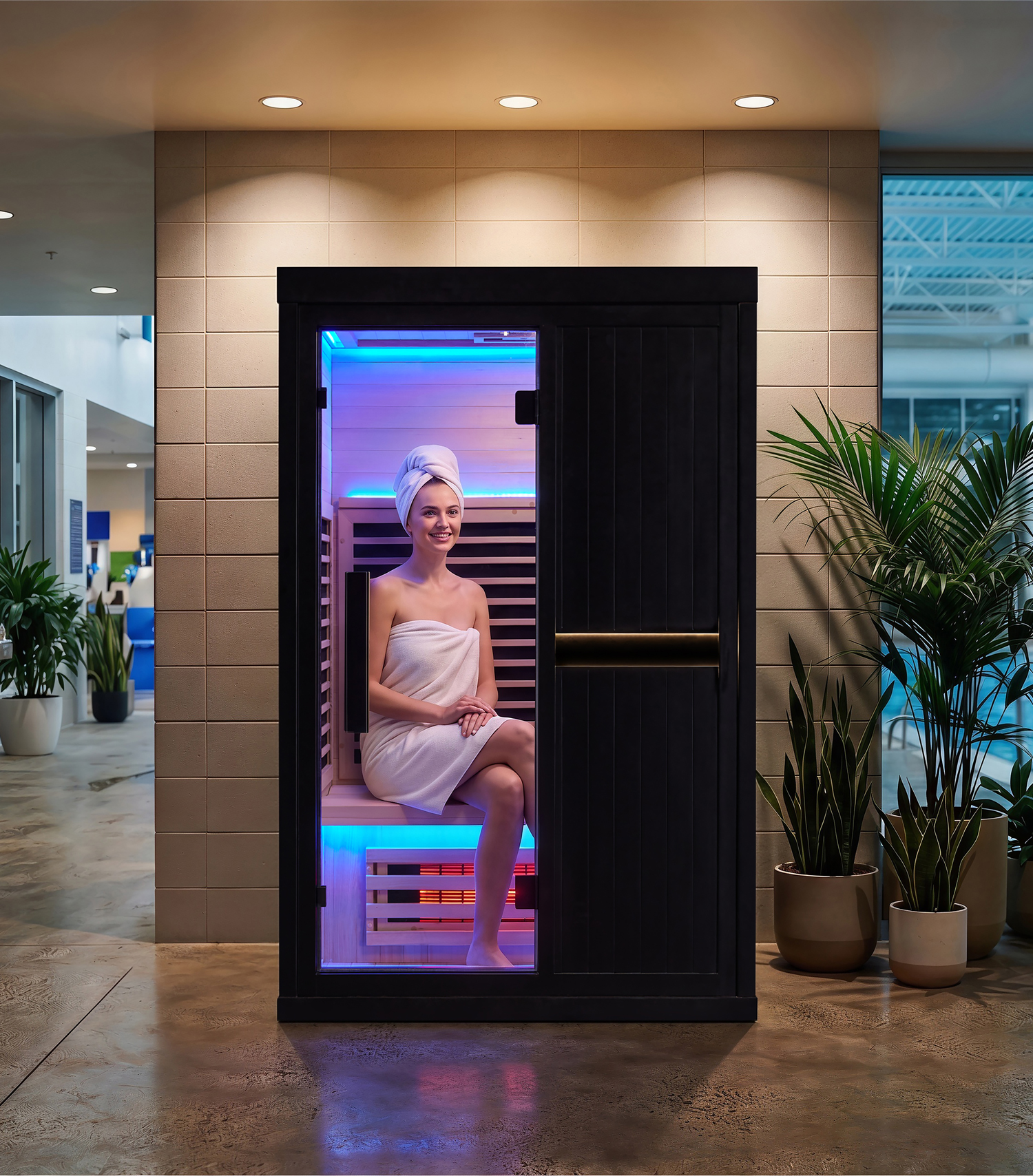
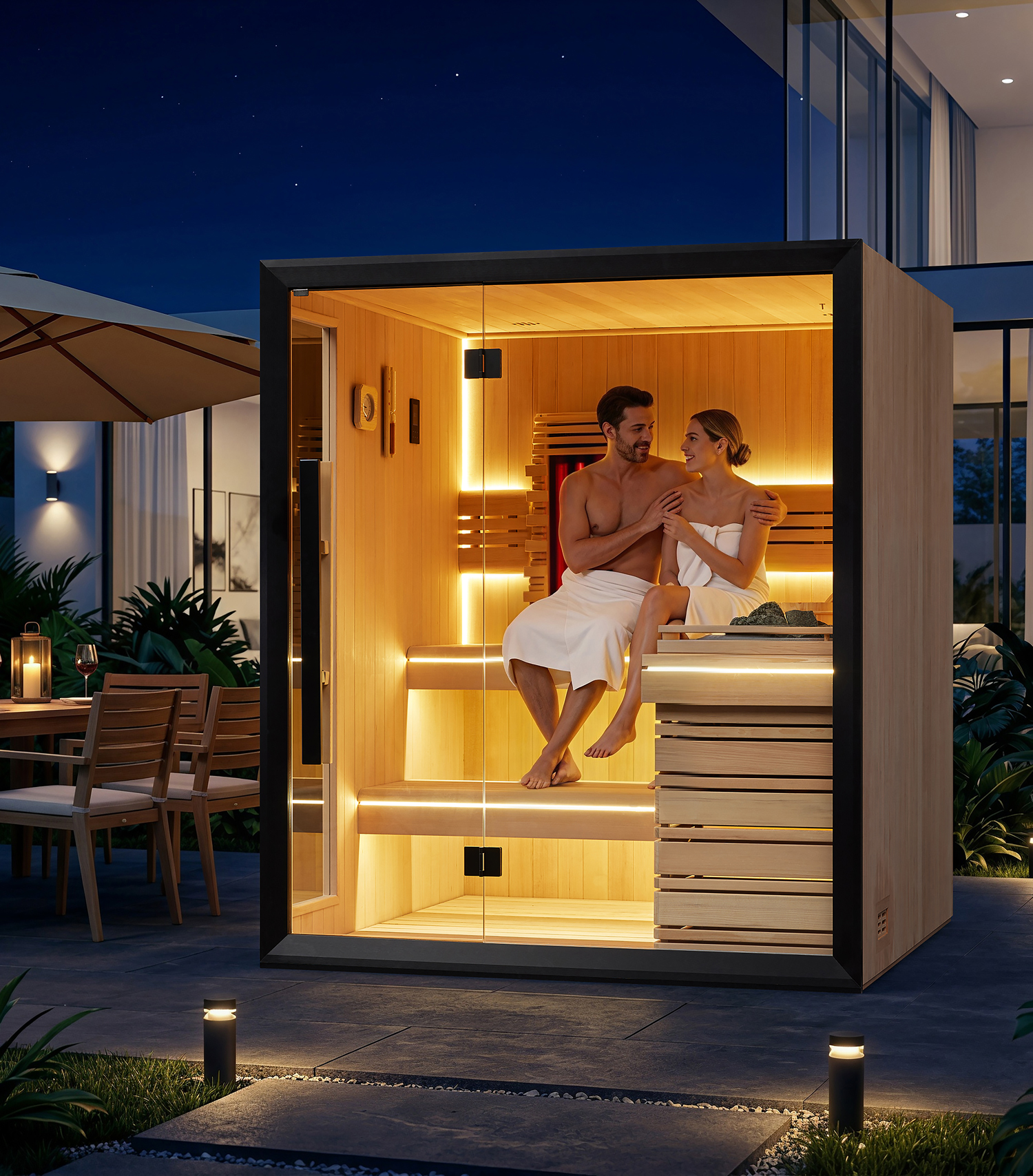
Carbon and ceramic panels emit far-infrared wavelengths that are absorbed by the body, promoting a deep sweat without the intense air temperature of a traditional sauna. Panels are positioned around the room for even coverage of back, legs and sides.
Power, Warm-Up & Running Cost
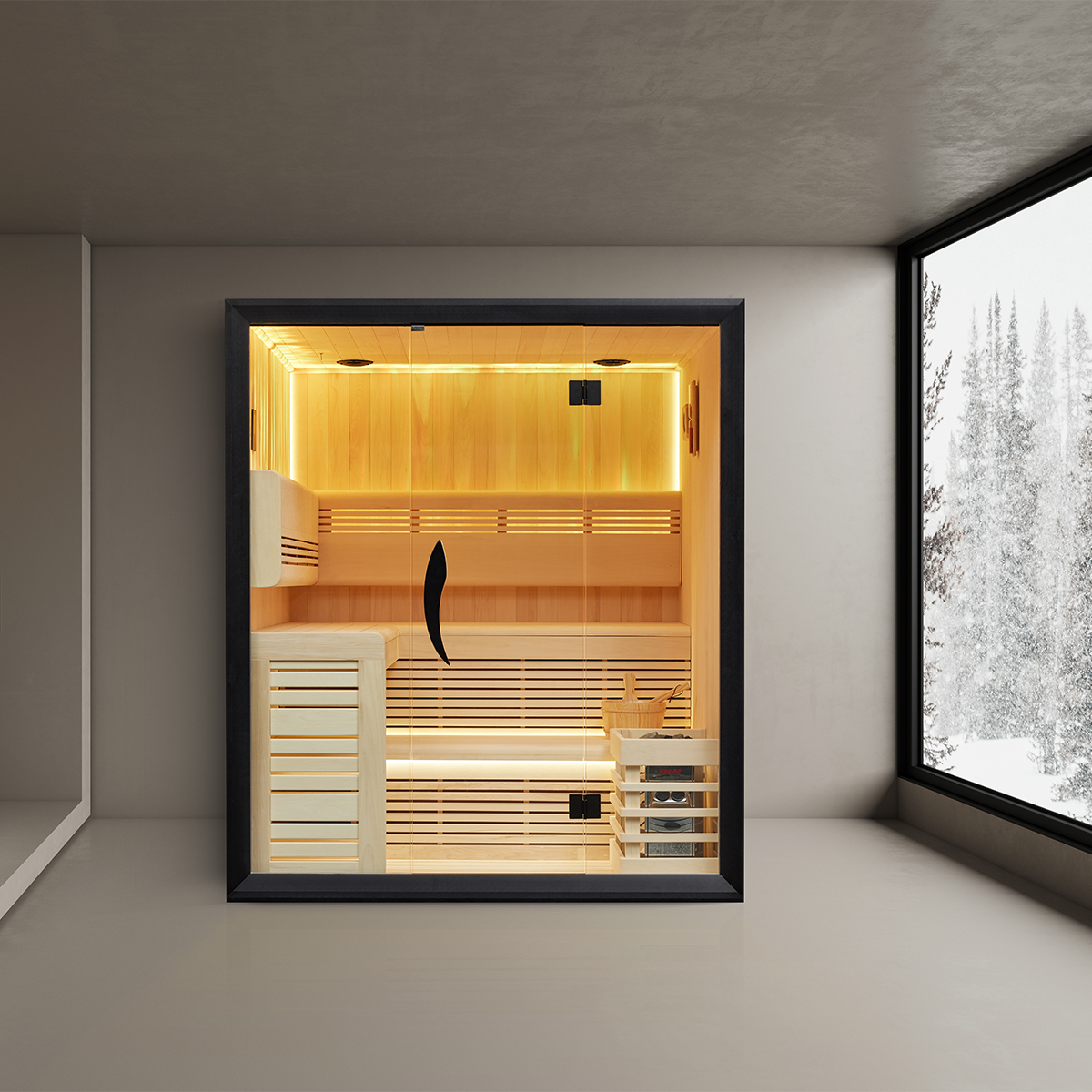
Efficient Power, Low Running Cost
Most infrared saunas draw between 1.5 kW and 3 kW and plug into a standard outlet. The short warm-up and lower target temperature make them one of the most efficient ways to enjoy regular heat therapy.
- 1.5–3 kW power draw
- Standard outlet in most cases
- Short sessions keep running costs low
- Insulated walls retain heat
Sizing & Placement
Size by Users and Placement
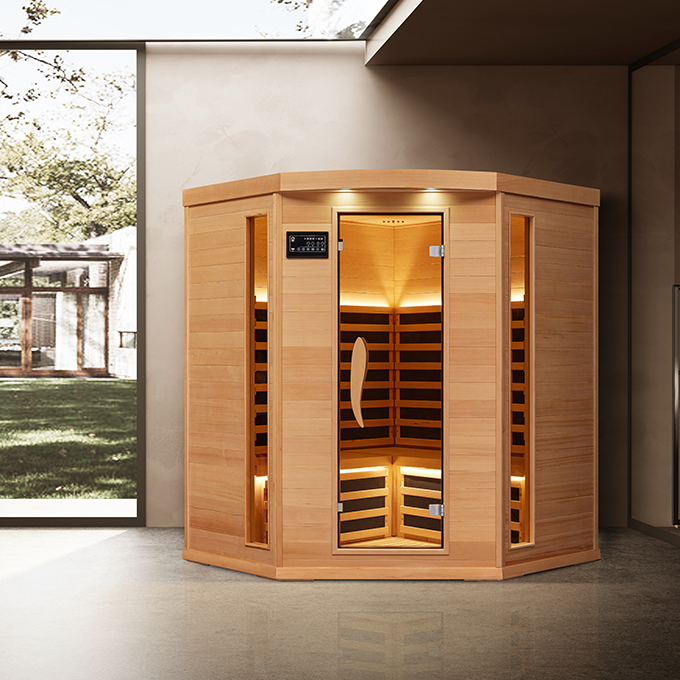
From compact 2-person rooms to spacious 4-person cabins, match the footprint to your available space and how you will use it. Indoor placement near a power point and with adequate ventilation is ideal; outdoor infrared rooms are also available in weather-resistant builds.
What to Look For
| Specification | Typical Range |
|---|---|
| Temperature | 45–65 °C |
| Power | 1.5–3 kW |
| Warm-up | 10–15 minutes |
| EMF | Low-EMF certified panels |
| Timber | Hemlock, poplar or red cedar |
| Capacity | 2–4+ persons |
FAQ
FAQ
How does an infrared sauna work?
What is low-EMF and why does it matter?
How long does an infrared sauna take to warm up?
How much electricity does an infrared sauna use?
What size infrared sauna should I buy?
Infrared or traditional — which is healthier?
Find your infrared sauna
Send us your room dimensions for a matched infrared sauna and quote.